
Electric Motorcycle Export to Japan: Key Requirements
or complex compliance issues.
clearance and fund security.
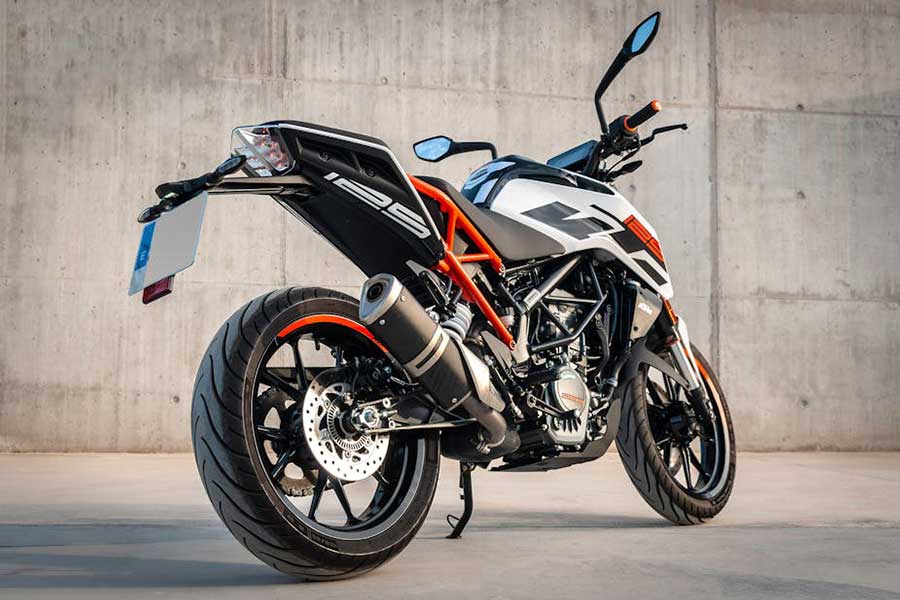
In recent years,electric motorcycles have shown strong growth in the global market.With increasing awareness of environmental protection and energy efficiency,electric motorcycles have gained more consumer favor due to their efficiency,eco-friendliness,and convenience.However,exporting to the Japanese market presents higher requirements due to its strict standards and regulations.So,what issues should companies pay attention to when exporting electric motorcycles to Japan?This article will explore three key aspects: customs classification,Japanese technical standards,and technical trade measure requirements.
I.Customs Classification
Before exporting electric motorcycles to Japan,it is necessary to first clarify their customs classification and relevant tariff rates.This not only helps improve customs clearance efficiency but also ensures compliance.
- Tariffrate:45%
- Value-addedtaxrate:13%
- RegulatoryDocumentRequirements:6A
- InspectionandQuarantineRequirements:L/M
When making declarations,the following declaration elements must be accurately filled out:
- ProductName
- EngineType
- Brand(nameinChineseorforeignlanguage)
- Model
Accurate completion of these elements not only helps improve customs clearance efficiency but also avoids delays or fines caused by declaration errors.
Japanese Technical Standards
Japan has strict technical standards for electric motorcycles,mainly reflected in the following aspects:
Type Designation System
This is a system stipulated in Japans Road Vehicles Act and Road Transport Vehicles Act for standardizing and regulating vehicles and their components.The system applies to mass-produced motor vehicles with uniform quality.Enterprises need to apply to Japans Ministry of Land,Infrastructure,Transport and Tourism (MLIT),which reviews relevant documents and conducts tests on vehicles,including whether they comply with motor vehicle safety standards,production consistency control,and vehicle inspection systems.
Type Notification System Output:
This system complements the Type Designation System and applies to large trucks and buses with smaller production batches and variable requirements.For imported motor vehicles that meet preferential management conditions,the Type Notification System is also implemented.
Device Type Designation System Output:
This is a separate system established for vehicle emission,noise,and safety control devices to ensure these devices comply with specific regulatory requirements.
Japans Technical Barriers to Trade Requirements
Regulatory Authorities Output:
The formulation and implementation of Japans electric motorcycle technical regulations are mainly overseen by the following agencies:
- MinistryofLand,Infrastructure,TransportandTourism(MLIT)
- JapanAutomobileManufacturersAssociation(JAMA)
- JapanAutomobileFederation(JAF)
- JapanMotorcycleTechnologyAssociation
- JapanMotorcycleManufacturersAssociation
Testing and inspection of electric motorcycles are conducted by laboratories such as the Ryuyo Proving Ground,Shimokawa Proving Ground,and Sagara Proving Ground.
Technical Regulations Output:
Japans main regulations related to electric motorcycle supervision include the Road Vehicles Act,Road Transport Vehicle Enforcement Regulations,and Road Transport Vehicles Act.These regulations specify detailed requirements for electric motorcycles in terms of safety,emissions,noise,etc.
Certification Process Output:
Japans motor vehicle type approval system includes the Type Designation System and Type Notification System.The following is the basic procedure for type designation:
- Enterprisesubmitsapplication:EnterprisesneedtosubmitatypedesignationapplicationforaspecificvehiclemodeltoJapansMinistryofLand,Infrastructure,TransportandTourism(MLIT).
- MLITReviewandTesting:TheMLITconductsdocumentandvehiclereviewsandtests,includingassessmentsofwhetherthevehiclecomplieswithsafetystandards,productionconsistencycontrol,andvehicleinspectionsystems.
- ResultDetermination:Ifthevehiclemodelpassesthereviewandtesting,theMLITdesignatesitascompliantwithsafetystandards.Eachvehiclemustundergofactoryinspectionbeforeleavingtheplant,andafactoryinspectioncertificateisissueduponpassing.
- ProcessingPeriod:Thereviewmustbecompletedwithin60daysfromthedateofapplicationreceipt.
Conclusion
Electric motorcycles have broad prospects in the Japanese market but also face strict regulatory and standard challenges.By thoroughly understanding customs classification,Japanese technical standards,and technical trade measure requirements,enterprises can better ensure product compliance and enhance market competitiveness.This article aims to provide valuable reference and guidance for electric motorcycle exports.
Was this helpful? Give us a like!
Contact our experts for compliance audits, precise quotes, and one-stop customs support.
Recent Comments (0) 0
Leave a Reply