
Rear Wheel Hub Bearing Import: Expert Guide
or complex compliance issues.
clearance and fund security.
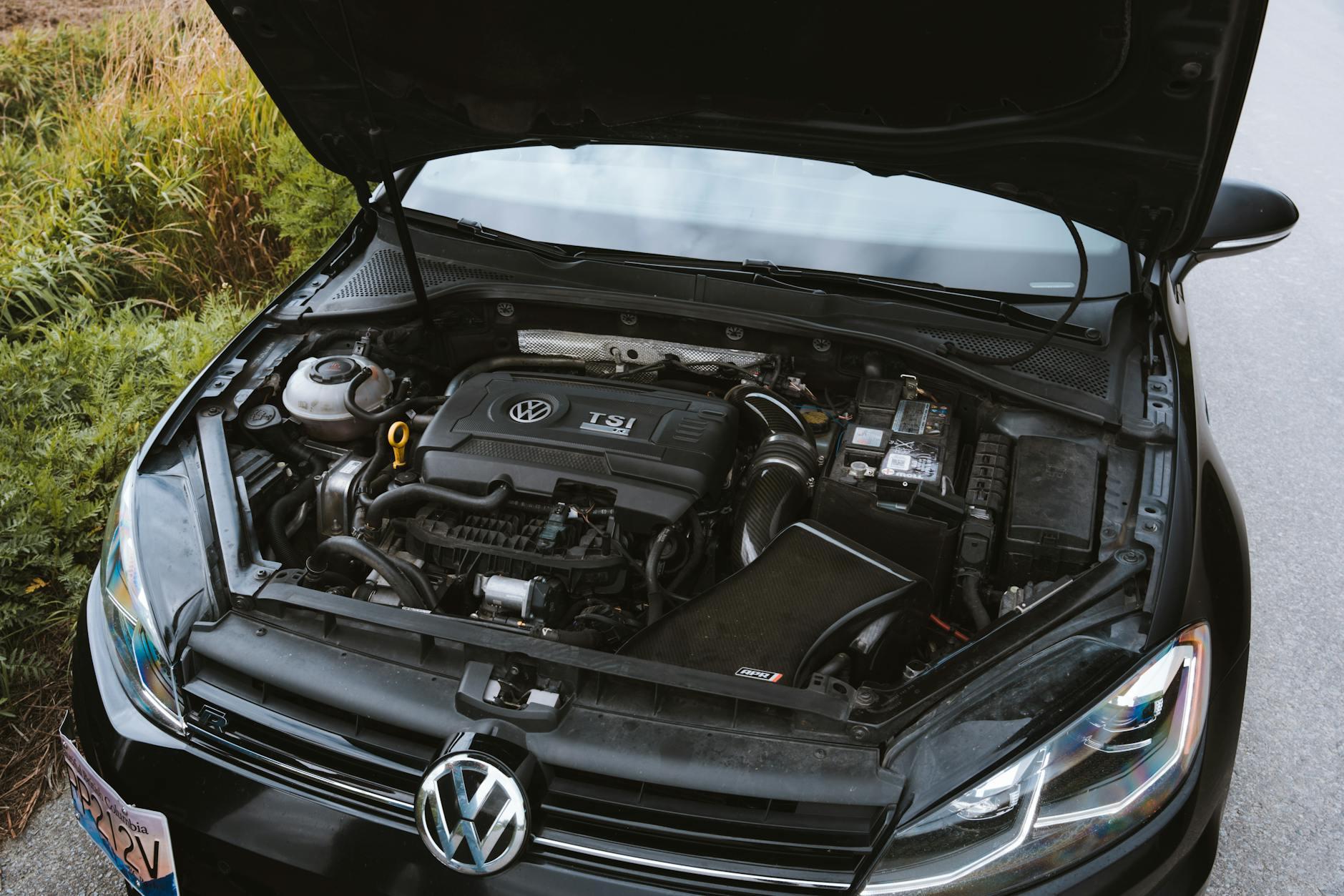
As practitioners with 20 years ofInAs experienced professionals in service,we fully understand the complexity and specialization of automotive aftermarket parts import business.This article focuses on Rear Wheel Hub Bearings,a critical automotive component,providing domestic purchasers with systematic solutions and practical advice.
I.Industry Characteristics and Import Pain Points Analysis Output:
As a core component of vehicle transmission systems,rear wheel hub bearing import business exhibits distinct characteristics:
1.High technical barriers: Must comply with IATF 16949 quality system certification,mandatory CE certification (EN 1206 standard) for EU markets,and SAE J2550 specifications for North American markets
2.Complex customs classification: Typically classified under HS code 8708.99 (other vehicle parts),but different materials (e.g.ceramic bearings) may involve classification disputes
3.Supply chain volatility: In 2023,the global bearing market was affected by raw material (bearing steel) price fluctuations,extending procurement cycles by 15-20%
4.Anti - dumping risks: Since 2021,the EU has imposed 7.2%-41.9% anti-dumping duties on Chinese-made bearings,requiring third-country transshipment to circumvent
II.Key Aspects of Full-process Import Agency Services Output:
We recommend that buyers adopt the "Full-Cycle Risk Management" model to maximize import efficiency through the following four phases:
Phase 1: Pre-procurement Compliance Verification
- Supplierqualificationreview:FocusonverifyingISO/TS16949certification,OEMsupportingproofs(e.g.supplyrecordsforMercedes-Benz,Volkswagen,etc.)
- Technicaldocumentverification:Includingmaterialcertificates(MTC),dimensionaltolerancereports(DIN620standard),saltspraytestreports(ASTMB117)
- Tradetermoptimization:RecommendeduseofFCA(FreeCarrier)orDDP(DeliveredDutyPaid)termstoavoidqualitydisputesduringtransportation
Special planScheme Design
- Transportationmodeselection:
√ FCL shipping: Single container capacity up to 1,800 sets (standard 6012 model)
√ Emergency plan: 48-hour expedited customs clearance channel for urgent orders
Phase 3: Specialized customs clearance operations
- Declarationstrategy:
√ Correctly declare bearing clearance values (C3/C4 grades) affecting tariff rates
√ Utilize the "Classification Advance Ruling" mechanism to pre-determine HS codes
√ (FORM E/FTA) Maximize tariff preference utilization
√ Required documents: Material declaration,ABEC precision grade certificate,RoHS test report
Phase 4: Domestic end-to-end services
- BondedWarehousing:Providesconstanttemperatureandhumiditywarehouses(temperature20±2°C,humidity60%).
- Qualitytraceability:Retain3%samplesperbatchformaterialverificationusingspectrometer
- TaxOptimization:ReducingCapitalOccupationThroughthe"BatchEntryandExit,CentralizedDeclaration"ModelinFreeTradeZones
III.Typical Risk Cases and Countermeasures Output:
Case 1: Return shipment due to non-compliant materials
An enterprise imported substandard bearing steel material,with insufficient Cr content detected by X-ray fluorescence spectrometer.Solution: Specify SNCM420 standard in contracts and implement third-party SGS inspection before shipment.
Case 2: Intellectual property dispute
Goods detained by customs for imitating SKF/NTN designs.Countermeasures: Require suppliers to provide patent compliance statements and purchase IPR infringement liability insurance.
Case 3: Logistics delay losses
Production line halted due to shipping delays during pandemic.Contingency plan: Establish safety stock model and activatealternative transport channels.
IV.Purchaser Value Creation Model Output:
Through professional import agency services,enterprises can achieve:
- 12-18%reductioninoverallcosts(tariffoptimization+logisticscostcontrol)
- Customsclearancetimeshortenedto3workingdays(regularprocess7-10days)
- 90%decreaseinqualitydisputes(full-processqualitycontrolnodes)
Conclusion
Against the backdrop of deep adjustments in global automotive supply chains,selecting import agents with specialized automotive parts qualifications will become core competitiveness for building stable supply chains.We recommend buyers focus on three key agent capabilities:
- Technicaldocumentinterpretation(proficientinDIN/SAE/JISstandardconversion)
- Globalcompliancenetworkcoverage(customsclearanceresourcesinmajorbearing-producingcountries)
- Emergencyresponsemechanism(72-hourcrisishandlingSOP)
For customized import solutions or bearing industry tariff database,please consult our professional team for global procurement support.
(Note: Data based on 2023 industry research; specific operations require adjustment per latest regulations)
Was this helpful? Give us a like!
Contact our experts for compliance audits, precise quotes, and one-stop customs support.
Recent Comments (0) 0
Leave a Reply