
Exporting to Germany: Is a "Made in China" Label Enough for Customs?
or complex compliance issues.
clearance and fund security.
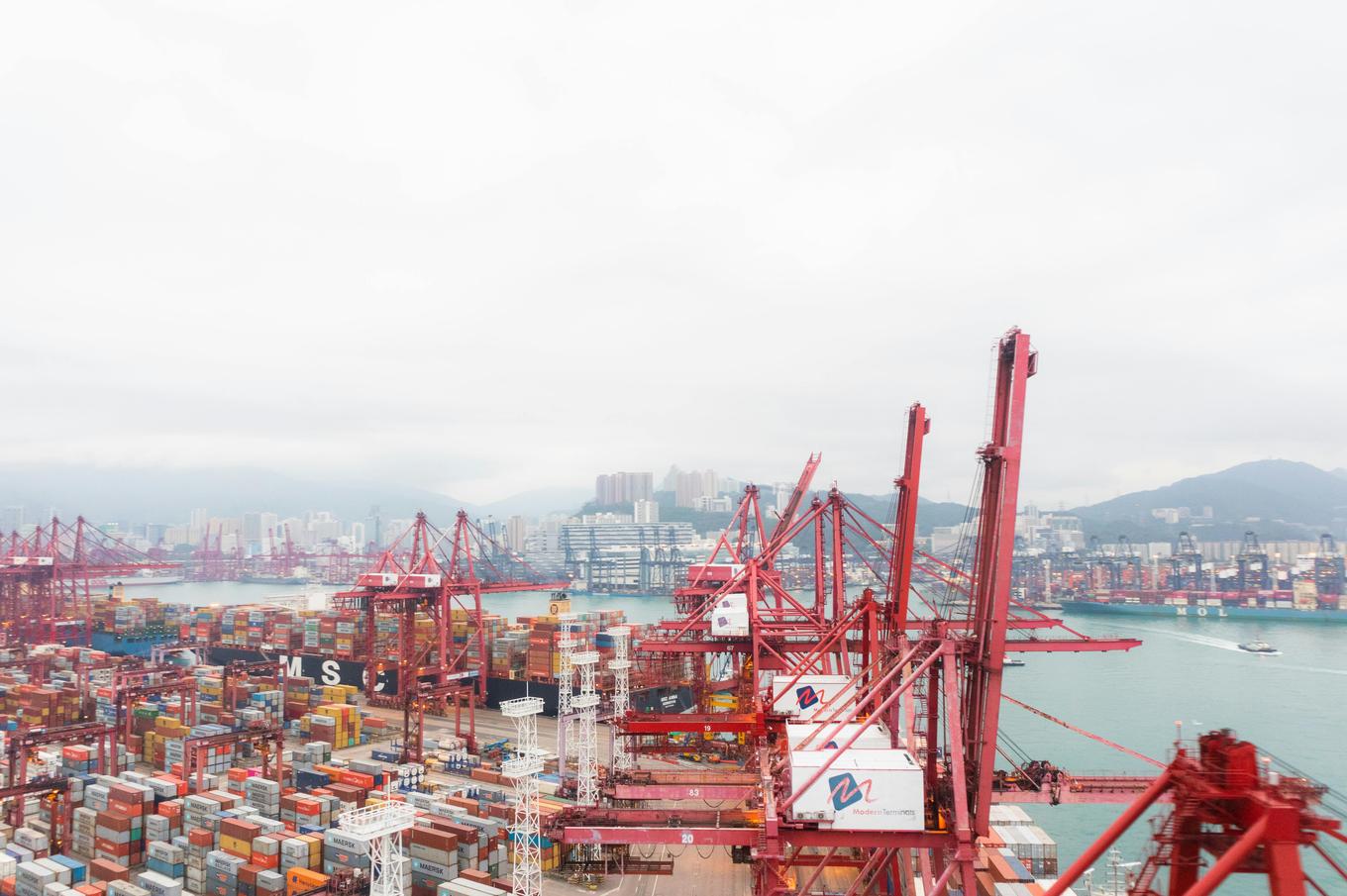
Shipping a product to an EU country like Germany always makes you think twice—especially about packaging and labeling.Customers sometimes ask to keep things simple: skip the Chinese manufacturer’s name and address on the product or its packaging and just print “Made in China.” Will that get stuck at customs?Don’t worry—it’s actually pretty common.Let’s walk through the ins and outs so you can feel more confident.
German Customs Clearance: Labels Are Not a “Roadblock”
As a member of the European Union,Germany’s customs clearance hinges on the declared documents and compliance certificates,not on the exact wording printed on the packaging.What customs zero in on are the product classification,value,origin,and safety standards; as long as those tally,label minutiae rarely become a stumbling block.“Made in China,” used as a mark of origin,is actually encouraged under EU rules (though not mandatory for every category,most products still carry it); it helps customs identify the source quickly and will not trigger any issues.
On the contrary,omitting the manufacturer’s name and address is no big deal.EU labeling rules focus more on consumer safety and environmental protection—food or electrical goods must list ingredients and warnings,but manufacturer details are not a hard-and-fast customs requirement.In practice,many products shipped to Amazon’s German warehouses get through smoothly with nothing more than a simple “Made in China” label.When customers ask for this,it’s usually for brand aesthetics or to streamline logistics; it doesn’t affect substantive compliance.
Practical tips for real-world application
Want a steadier export game?Here are a few tricks:
- Confirmthecountryoforigin:Ensurethat“MadeinChina”isaccurateanderror-freetoavoidfinesforfalselabeling(governedbytheMadridAgreement).
- LanguageandUnits:LabelsinGermanorEnglish,unitsinmetric(e.g.cm,kg),EU-wide.
- Environmentalconsiderations:TheGermanPackagingAct(VerpackG)mandatesrecyclability;woodenpackagingmayrequirephytosanitarycertificationbutdoesnotdirectlyblockcustomsclearance.
- Haveathoroughconversationwiththeclient:Theexplanationlabeldoesnotaffectcustomsclearance,butiftheproductfallsunderspecificregulations(e.g.CEmarkingforelectricalappliances),itmustbecompleted.
Once these details are locked down,customs clearance will go off without a hitch.

Conclusion
Exporting to Germany,it’s perfectly fine to leave the producer’s details off the packaging and simply mark “Made in China.” Customs clearance checks overall compliance,not label variations.International trade is inherently flexible; once you know these little tricks,you can handle it with ease.Hope these tips make your ordering smoother and your business grow bigger and bigger!
Was this helpful? Give us a like!
Contact our experts for compliance audits, precise quotes, and one-stop customs support.
Recent Comments (0) 0
Leave a Reply