
BIS Certification for Food Additives in India
or complex compliance issues.
clearance and fund security.
The safety and quality control of food additives have always been issues of great concern to governments and consumers worldwide.As the Indian market gradually opens up,import regulations on products such as food additives have become increasingly stringent.In this context,understanding and complying with the regulations of the target market has become an indispensable part for exporting enterprises.Particularly,the Bureau of Indian Standards (BIS) certification has emerged as a crucial "passport" for entering the Indian market.Recently,a shipment of polyphosphate food additives was denied entry by Indian customs due to the failure to complete BIS certification in time,serving as another reminder for exporting companies to prioritize this certification.
I.Overview of BIS Certification
BIS certification is a product quality certification system implemented by the Bureau of Indian Standards,aiming to ensure that imported products meet Indian national standards.This not only involves product safety and performance but also includes environmental protection,health,and consumer rights protection.For products closely related to human health such as food additives,BIS certification is particularly strict to ensure the safety of Indian consumers.
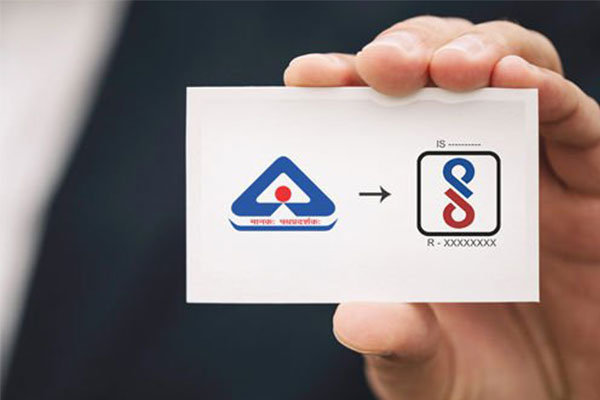
II.BIS Certification Process
1.Understand Certification Requirements: Export enterprises first need to clarify whether their products are within the scope of Indias mandatory certification.For food additives,this means that they must have a detailed understanding of the relevant Indian national standards (IS standards) and ensure that their products can meet these standards.
2.Sample Testing: If the product is within the scope of mandatory certification,the enterprise needs to send product samples to a BIS - recognized laboratory for testing.These laboratories may be located in India or other countries but must be recognized by BIS.
3.Document Preparation and Submission: Prepare corresponding technical documents based on the test results and submit an application to BIS.These documents usually include product specifications,test reports,manufacturer details,etc.
4.Factory Review: For certain product categories,BIS officials may need to conduct on - site audits of production facilities to verify whether the production process and quality control system meet the standard requirements.
5.Obtain Certification: After completing all the above steps and meeting all requirements,BIS will issue a certification certificate,and the enterprise can then print the BIS logo on the product or its packaging to prove its compliance with Indian standards.
III.The Importance of BIS Certification
1.Market Access: For products subject to mandatory certification,the lack of BIS certification will directly lead to the inability to enter the Indian market.This is a significant limitation for enterprises seeking international expansion.
2.Brand Reputation: BIS certification is not only a symbol of compliance but also a guarantee of quality.Products with BIS certification are more likely to gain the trust of Indian consumers,thus helping to establish and enhance the brand image.
Risk Management: Complying with BIS certification requirements can help enterprises promptly identify and address potential safety and quality issues in products,reducing health risks,legal disputes,and brand reputation losses caused by product defects.
The safety of food additives is directly related to public health,so it has become a key point of global regulation.As a large and complex market,India implements BIS certification for imported products such as food additives to ensure that products entering its market meet national standards and protect the health and safety of consumers.Enterprises exporting to India should actively respond to ensure product quality for smooth entry into the Indian market.
Was this helpful? Give us a like!
Contact our experts for compliance audits, precise quotes, and one-stop customs support.
Recent Comments (0) 0
Leave a Reply