
Importing Cheese to China: A Guide to Customs Clearance
or complex compliance issues.
clearance and fund security.
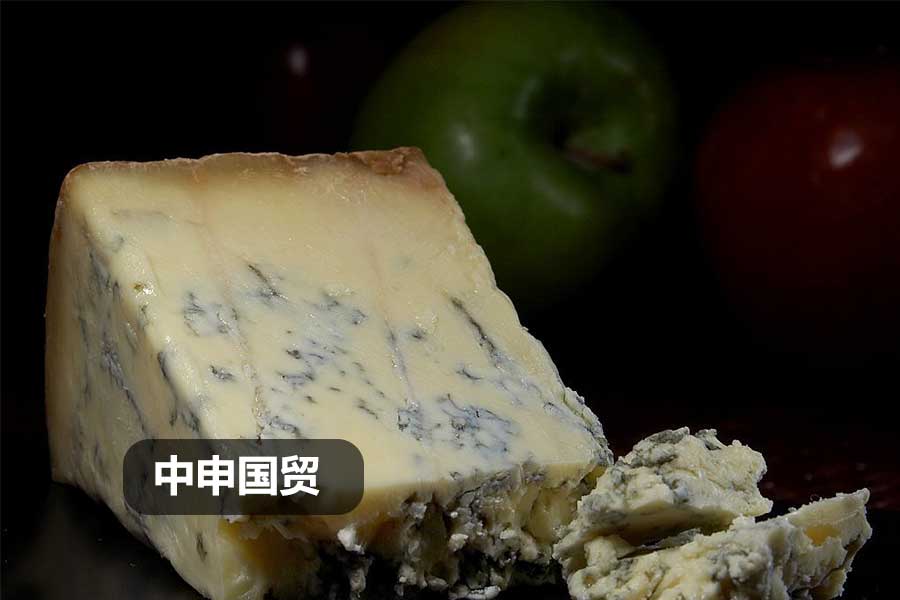
As a popular imported food,cheese is increasingly appearing in the Chinese market.However,the customs clearance process for imported cheese is not straightforward,involving multiple complex procedures and strict legal regulations.Why is customs clearance for imported cheese so complicated?How can smooth clearance be ensured?This article provides a detailed explanation of the customs clearance process,required documentation,and key considerations to help importers better understand the process.
I.Detailed Customs Clearance Process for Imported Cheese
The customs clearance process for imported cheese involves multiple steps,each requiring strict compliance with regulations to ensure the cheese enters the domestic market smoothly.Below is a detailed breakdown of the process:
Overseas suppliers prepare and arrange transportation for the cheese
First,overseas suppliers must prepare the cheese and arrange transportation.Cheese is typically shipped viaorto major domestic ports or airports.During transportation,cold chain conditions must be maintained to ensure product quality.
Pay freight charges and exchange bills upon arrival
Once the cheese arrives at the domestic port or airport,the importer must pay the corresponding freight charges and obtain the delivery order from the shipping agent or airline.The delivery order is a crucial document for subsequent cargo pickup and customs clearance.
Inspection and customs declaration for imported cheese
Next,the importer must complete inspection and customs declaration procedures.Inspection involves declaring the goods to the inspection and quarantine authorities,while customs declaration involves submitting the goods to customs.During this process,relevant documents and materials must be submitted for review by customs and inspection authorities.
Customs reviews the cheese duty assessment form
Customs will review the duty assessment form for the cheese based on the importers declaration and supporting documents.The duty assessment form serves as the basis for calculating tariffs and VAT,with customs determining the amounts based on the cheeses value and applicable tax rates.
Pay duties
The importer must pay the calculated tariffs and VAT promptly.Once duties are paid,customs will issue a tax payment certificate,which is essential for subsequent inspections and release.
Customs inspection
Customs will inspect the imported cheese to verify that the actual goods match the declared contents.The inspection aims to ensure the cheese meets national safety and quality standards,preventing substandard products from entering the market.
Release the goods
If the inspection results are satisfactory,customs will issue a release notice,allowing the cheese to enter the domestic market.The release notice is a critical document for cargo pickup,enabling the importer to retrieve the goods.
Cargo pickup
The importer uses the release notice to pick up the goods at the port or airport.During pickup,the quantity and quality of the goods must be checked to ensure they match the declaration.
Delivery to domestic designated location
Finally,the importer transports the cheese to domestic warehouses or designated locations,completing the entireprocess.At this point,the cheese can enter the market for sale to meet consumer demand.
II.Required Documentation for Cheese Import Customs Clearance
To successfully complete customs clearance for imported cheese,the importer needs to prepare a series of documents.These documents serve as the basis for customs and inspection/quarantine authorities review and must be complete and accurate.Below are the main documents required for customs clearance:
ForeignCertificate
The certificate of origin is a document proving the production location of the cheese,which helps in enjoying tariff preferences.
Foreign sanitary certificate
The sanitary certificate is an important document proving that the cheese meets hygiene standards during production.
China-bound dairy product certificate
This certificate proves that the cheese complies with Chinas import standards for dairy products.
Exporters inspection report
The exporters inspection report is a document proving that the cheese quality meets the exporting countrys standards.
Consignees business license,food business license,and qualification certificates
These certificates prove that the importer has legal operation and import qualification rights.
Import food consignee registration certificate
This certificate serves as proof of the importers customs registration,ensuring their capability to import food products.
Contract,invoice,packing list,bill of lading
These are documents generated during the transaction and transportation process,recording detailed information about the goods.
Customs declaration and inspection authorization letter
The authorization letter is a document granting permission to customs brokers or agency companies to handle customs declaration and inspection on behalf of the importer.
Original foreign language label,label translation,and designed Chinese label
These labels are important materials ensuring that the cheese meets Chinese labeling requirements when sold in the Chinese market.
III.Precautions
During the customs clearance process for imported cheese,importers need to pay special attention to the following points:
Ensure all documents are complete and accurate
All documents must be complete and accurate.Any missing or incorrect information may cause customs clearance delays or failures.
Ensure cold chain transportation
During transportation,cold chain conditions for the cheese must be maintained to ensure product quality.
Prepare label registration in advance
Before imported cheese can enter the market for sale,label registration is required.Importers should prepare the original foreign language label,label translation,and designed Chinese label in advance.
Proper Time Management
The customs clearance process may take considerable time.Importers should allocate time appropriately to ensure timely delivery of goods.
Maintain Good Communication with Customs and Inspection Authorities
During customs clearance,if issues arise,importers should promptly communicate with customs and inspection authorities to seek solutions.
Although the customs clearance process for imported cheese is complex,strict compliance with regulations and thorough preparation of required documents will ensure smooth clearance.We hope this detailed explanation of the customs clearance process and key considerations provides valuable guidance for businesses engaged in cheese imports,helping them complete the import process successfully and achieve business growth.
Was this helpful? Give us a like!
Contact our experts for compliance audits, precise quotes, and one-stop customs support.
Recent Comments (0) 0
Leave a Reply