
Korea Container Weight Limits: Expert Guide
or complex compliance issues.
clearance and fund security.
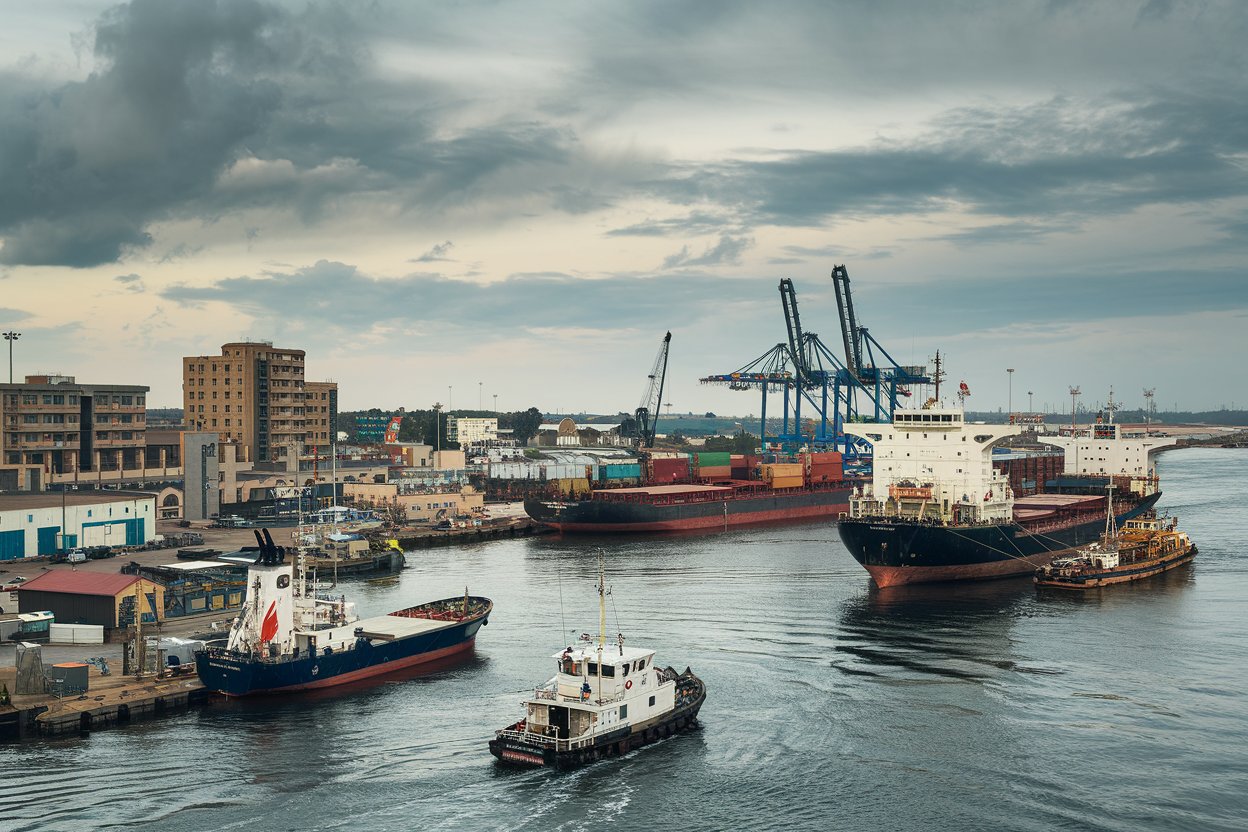
The ins and outs of South Korea container weight limits
As an old hand with 20 years of experienceOld hand,I often encounter clients inquiring about the weight limit for containers in South Korea.This issue may seem simple on the surface,but it actually hides complexities.Today,I’ll draw on years of hands-on experience to provide a detailed analysis of this "weighty" topic.
The gap between official standards and actual operations
Theoretically,the weight limit of international standard containers mainly considers two factors:
- Containertareweight:20-footsmallcontainerapproximately2.2tons,40-footlargecontainerapproximately3.8tons
- Maximumgrossweight:Typically30.48tons(includingcontainerweight)
But in actual operations,South Korean ports do have some special regulations.Based on my experience,Incheon Portsactual weight limitfor 20-foot small containers is usually around 25 tons (including container weight),while 40-foot large containers range between 26-28 tons.
Key factors affecting weight limits
Why are there so many different versions of these claims?Because weight limits are influenced by multiple factors:
- Shippingcompanypolicies:Differentcarriershavevaryingacceptancelevelsforheavycargo
- Terminalregulations:Loading/unloadingequipmentcapacityvariesacrossports
- Limit:Localtruckingcompaniestransportationcapacity
- Cargotype:Differenthandlingmethodsforheavycargoandlightbulkycargo
Last year I handled a marble shipment case where a 20-foot container was loaded with 24 tons and cleared customs smoothly.But another clients steel shipment exceeding 25 tons was required to be split during the same period.
Practical advice: How to handle safely
Based on years of experience,Ive summarized the following practical suggestions:
- Confirminadvance:Alwaysverifythelatestweightlimitstandardswithyourfreightforwarderbeforeshipment
- Leavemargin:Recommendedtokeep20-footcontainersunder24tonsand40-footcontainersbelow26tons
- Flexiblesolutions:Considersplittingheavycargoorusingspecialcontainers
- DocumentProcessing:Suggestedtoshowslightlylowerweightthanactuallimitonthebilloflading
I remember a case in 2019 where a client insisted on loading 27 tons,resulting in high overweight charges at the destination port - the gain didnt outweigh the loss.
Handling techniques for special situations
What to do when approaching weight limits?Here are some tips:
- Selecttheappropriateshippingline:Someshippinglinesaremorelenientwithheavycargo
- Adjustthecontainerloadingplan:Optimizingtheloadingmethodcanincreasecapacity
- Reportinadvance:Maintaincommunicationwiththedestinationportagent
- Purchaseinsurance:Buyadditionalinsuranceforheavycargo
Last month,we helped a client handle 25.5 tons of chemical products.Through prior communication with the shipping line and terminal,the goods were successfully cleared.
Summary: Safety first,respond flexibly
South Koreas container weight limits do not have a one-size-fits-all standard and require flexible handling based on specific circumstances.As foreign trade professionals,we must pursue maximum efficiency while ensuring safe and smooth customs clearance.Remember: Playing it safe is more cost-effective than taking risks,and planning ahead is more convenient than fixing problems afterward.
If you have any questions,feel free to discuss.Twenty years of foreign trade experience tells me: each case is unique and requires our careful attention.
Was this helpful? Give us a like!
Contact our experts for compliance audits, precise quotes, and one-stop customs support.
Recent Comments (0) 0
Leave a Reply