
Thailand Import Duties: Optimize Your Export Strategy
or complex compliance issues.
clearance and fund security.
When exporting to Thailand,are the tariffs really high?The tariff rates for different products vary greatly,from zero - tariff medical equipment to motorcycles with a tariff as high as 80%.A wrong classification may lead to profit losses!In this guide,we will deeply analyze Thailands tariff policies and teach you how to enhance your export competitiveness through correct tax calculations and strategies.
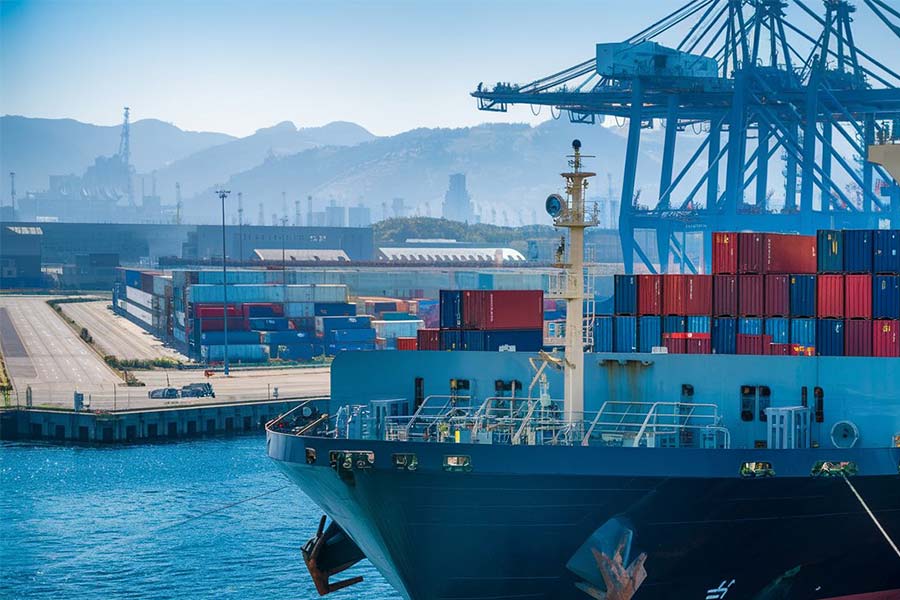
I.Overview of Thailands Tariff System
(I) Detailed Explanation of the Six - level Tariff System Output:
Thailand currently adoptsa six - level tariff system,which levies taxes step - by - step according to the value - added part of the products.The details are as follows:
- ZeroTariff:Applicabletomostindustrialrawmaterialsandnecessities,suchasmedicalequipment.Thismeasurehelpstoreducetheproductioncostsofrelatedindustriesandpromotethedevelopmentofkeyfieldssuchashealthcare.
- 1%Tariff:Forsomeselectedrawmaterials,electronicsparepartsandmeansoftransportationforinternationaltransportation.ThelowtariffisconducivetoattractinginvestmentinrelatedindustriesandenhancingthecompetitivenessofThailandselectronicsindustry.
- 5%Tariff:Applicabletoprimaryproductsandcapitalgoods.Anappropriatetariffnotonlyprotectsdomesticindustriesbutalsodoesnotimposetooheavyaburdenonindustrialdevelopment.
- 10%Tariff:Forintermediateproducts.Thistaxratehelpstobalancethedevelopmentofdomesticindustriesandinternationalmarketdemand,andencourageslocalprocessingandvalue-addition.
- 20%Tariff:Leviedonfinishedproducts,aimingtoprotectthedomesticmanufacturingindustryandencourageenterprisestoimproveproductqualityandmarketcompetitiveness.
- 30%andAboveTariff:Forproductsthatneedspecialprotection.However,therearestillmanyproductswithtariffsexceeding30%,suchasmotorcycles(over80%),rice(52%),anddairyproducts(216%).Thesehigh-tariffproductsareusuallystrategicorkey-protectedindustriesinThailand.
(II) Tariff Rate Range Output:
The tariff rate range in Thailand varies from 0% to 80% :
- 0%Tariff:Duty-freeProducts:Thailandimplementsaduty-freepolicyforsomeproducts,mainlyincluding:
- MedicalEquipment:Suchasdiagnosticandtreatmentequipment,topromotethedevelopmentofthemedicalindustry.
- EducationalSupplies:Suchasteachinginstrumentsandteachingmaterials,tosupporttheeducationcause.
- CertainIndustrialRawMaterials:Rawmaterialsusedforproducingexportproductscanbeexemptedfromimporttariffs,reducingproductioncosts.
- 1% – 5% tariff:
- SelectedRawMaterialsandComponents:Suchassomeelectroniccomponents,chemicals,etc.
- InternationalMeansofTransportation:Ships,aircraft,etc.usedforinternationalshipping.
- 5% – 10% tariff:Primary products and capital goods: Such as basic metals,mineral products,and some chemical products.
- 10% – 20% tariff:
- Intermediateproductsandsemi-finishedproducts:Suchasplasticproducts,textiles,rubberproducts,andmechanicalequipment.
- Someelectronicproducts:Suchashouseholdappliances,computeraccessories,etc.
- 20% – 30% tariff:
- Finishedproductsandconsumergoods:Suchasclothing,furniture,andautoparts.
- Mid-rangeconsumergoods:Includingsomehigh-endelectronicproducts,
- 30% – 80% tariffs:High - tariff goods
- Importofautomobilesandcompletevehicles:Thetariffisgenerally80%,aimingtoprotectthedomesticautomotiveindustry.
- Motorcycles:Thetariffexceeds80%.
- Alcoholicbeveragesandtobacco:Hightariffsandconsumptiontaxesareleviedtoregulateconsumption.
- Agriculturalproducts:Suchasrice(tariff52%),sugarproducts,etc.toprotectdomesticagriculture.
- Dairyproducts:Thetariffonsomedairyproductsisashighas216%,toprotectthedomesticdairyindustry.
II.Tariff Policies for Chinas Exports to Thailand
(I) Tariff Rates for Different Products Output:
The tariff rates of goods exported from China to Thailand vary according to the type of goods:
- Rawmaterials(Tariffrate10%-15%):Forexample,specificchemicalrawmaterials.
- Semi-finishedproducts(Tariffrate15%-40%):Suchasmechanicalpartsprocessedtoacertainextentbutnotyetfinished.
- Finishedproducts(Tariffrate30%-60%):Finishedhigh-endelectronicproductsmayfacehighertariffs.
- Commercialadvertisements(Tariffrate40%):Advertisingmaterialswithcommercialvalue.
(II) Tariff Calculation Methods Output:
The Thai customs adopts three methods of calculating tariffs:
- Advaloremdutyrate:Calculatethetariffbasedonthevalueofthegoods.Forexample,ifthevalueofthegoodsis$100,000andtheapplicableadvaloremdutyrateis15%,thetariffis$15,000.
- Thehigherofthespecificdutyrateortheadvaloremdutyrate:Forsomegoods,bothaspecificdutyrateandanadvaloremdutyratearespecified,andthehigherrateisselectedforcollection.
- Specificdutyrate:CalculatethetariffbasedontheWeight,volumeorquantityCalculatetariffs.Applicabletobulkcommoditiessuchascoalandore.
(III) Tariff Preference Policies Output:
Chinas exports to Thailand can enjoy multiple tariff preferences:
Free Trade Agreement (FTA) preferences:
- China-ASEANFreeTradeAgreement(CAFTA):
Tariff concessions: According to the agreement,the tariffs of most goods are gradually reduced to zero.
Beneficiary goods: Agricultural products,mechanical equipment,electronic products,textiles,etc.
Special economic zones and investment promotion policies:
- PoliciesoftheBoardofInvestmentofThailand(BOI):
Import tariff reduction and exemption: For eligible investment projects,imported mechanical equipment and raw materials can enjoy tariff exemption or reduction.
Tax incentives: Including corporate income tax reduction,value - added tax reduction,etc.
Tariff reduction plan:
- Tax-freeandtax-refundsystem:
- Bondedarea:Rawmaterialsandcomponentsimportedbyenterprisesinthebondedareacanbeexemptedfromtariffsforprocessingandexport.
- Tax-refundsystem:Enterprisesthatimportrawmaterialsfortheproductionofexportproductscanapplyfortariffrefund.
Preferential policies to promote specific industries:
- Automobile:Topromotethedevelopmentofthenewenergyvehicleindustry,Thailandreducesorexemptstariffsonimportedelectricvehiclesandcomponentstoencouragethedevelopmentofthedomesticmarket.
- High-TechProducts:Forhigh-techproductsthatmeetThailandsindustrialupgradingneeds,tariffpreferencesareprovidedtoattractadvancedtechnologiesandequipmenttoenterThailand.
Tariff preferences for agricultural products:
- Tropicalfruits:UndertheChina-ASEANFreeTradeAgreement,thetariffsontropicalfruitssuchasdurians,mangosteens,andlongansexportedbyThailandarereducedorexempted,promotingbilateraltrade.
- Specificcases:Fruitimports:Since2018,thetariffsondurians,lychees,pitayas,etc.importedbyThailandfromASEANcountrieshavebeenreducedfrom15%-30%toZeroTariff,enrichingthedomesticmarketsupply.
Other preferential measures:
- Tariffquotasystem:Forsomesensitivegoods,Thailandimplementsatariffquota.Importswithinthequotaenjoyalowertariff,andthoseexceedingthequotaaresubjecttoahighertariff.
- Most-Favored-NationTreatment:AccordingtotherulesoftheWorldTradeOrganization(WTO),most-favored-nationtarifftreatmentisprovidedtoallmemberstates,applyingthesametariffratetoavoiddiscriminatorytariffs.
III.Overview of Taxes and Fees for Exports to Thailand
(I) Value - added Tax and Other Taxes and Fees Output:
In addition to tariffs,exports to Thailand also involve the following taxes and fees:
- Value-AddedTax(VAT):Standardrate:7%Exportgoods:Thevalue-addedtaxrateis0%,withoutincreasingtheadditionalcostsofenterprises.
- ConsumptionTax:MainlyapplicabletoTobaccoandAlcoholProducts,whichcanbeleviedadvaloremorbyquantity.
- DomesticTax:Forgoodssubjecttoconsumptiontax,anadditional10%consumptiontaxislevied..
- Surtax:Forcertainspecificgoods(suchasfood),itcanbeleviedadvaloremorbyquantity.
(II) Basis for Tax and Fee Calculation Output:
Calculation Basis: All import duties and taxes are calculated based on the freight value (CIF). Value - added Tax Calculation Formula
: Value - added Tax = Value - added Tax rate of 7%×(CIF price + applicable customs duty):Value-added tax =Value - added TaxTax Rate 7%×(CIF 价+Yes.Tariffs)
- :ForgoodsexportedtoThailand,thevalue-addedtaxrateis:,soexportenterprisesdonotneedtobearadditionalcostsforvalue-addedtax.0%ConsumptionTaxandDomesticTax
: Based on the market value or quantity of the goods.:
- ConsumptionTax:OnthebasisoftheCIFpriceplustheapplicablecustomsduty,anadditional10%consumptiontaxislevied.
- DomesticTax:Accordingtothespecificsituationofthegoods,itisleviedadvaloremorbyquantity.
Surtax:
- InThailand,somegoodsneedtopaycustomsdutieswhen
IV.Relationship between Products Exported to Thailand and Tariffs
(I) Which Products Need to Pay Tariffs Output:
,involving a total ofExport9 categories of products Rice and Glutinous Rice:
- :Paddy,whiterice,glutinousriceandotherformsofriceproducts.:MetalScrap
- :Scrapcopper,scrapaluminum,scrapiron,scrapsteelandothermetalscrapsanddebris.:CattleSkins
- :Unprocessedrawcowhide,calfskin,buffalohide,etc.:NaturalRubber
- :Rawrubber,smokedsheets,concentratedlatexandotherformsofnaturalrubber.:Timber,SawnTimberandWoodProducts
- :Logs,sawntimber,woodchips,charcoal,woodenhandicrafts,etc.:TinandItsProducts:
- Unprocessedtinore,tiningots,tinpowder,etc.FishMeal:
- Fishmeal,fishbonemeal,etc.usedforfeedorfertilizer.SilkwormCocoonsandRawSilk
- Unprocessedsilkwormcocoons,rawsilk,etc.:CrudeOilandPetroleumProducts:
- Crudeoil,heavyoil,fueloil,lubricatingoil,etc.Currently,thereare
(II) Export - controlled Products Output:
45 products subject to export control in Thailand,including products subject to export tax,mainly involving sensitive areas: Military Supplies
- NuclearMaterials
- Chemicals
- ControlMeasures
- High-TechProducts
Freight forwarder price comparison:
- LicenseSystem:Export-controlledproductsneedtoapplyExportLicense.Enterprisesneedtosubmitapplications,providingproductinformation,purposedescription,exportdestination,etc.
- ImportQuotaRestrictions:Forsomesensitiveproducts,importquotasareimplementedtolimittheimportquantitywithinacertainperiod.
- TechnicalBarrierstoTrade:Strictrequirementsareputforwardforproducttechnicalspecifications,certifications,inspections,etc.EnterprisesneedtomeettheserequirementstoensurethesmoothentryofproductsintotheThaimarket.
- Anti-dumpingMeasures:IftheexportproductpriceislowerthanthenormalvalueorcausesdamagetotheThaidomesticindustry,measuressuchasanti-dumpingdutiesmaybetakentoprotectthedomesticindustry.
V.Suggestions and Strategies
- GainIn-depthUnderstandingofTariffPolicies:EnterprisesshouldcloselymonitorchangesinThaitariffratesandunderstandthespecifictaxratesandpreferentialpoliciesforthegoodsinvolved.
- UtilizeFreeTradeAgreements:MakefulluseofChina-ASEANFreeTradeAgreement,applyforcertificate,andenjoytariffreduction.
- OperateinCompliance:Forexport-controlledproducts,strictlyabidebyThailandsexportlicensesystemtoensurecompliance.
- Contract:Accuratelycalculatevarioustaxesandfees,pricereasonably,andensurethecompetitivenessofproductsintheThaimarket.
- MarketResearch:UnderstandtheThaimarketdemand,payattentiontoprotectedhigh-tariffgoods,andassessthefeasibilityofenteringthesemarkets.
VI.Conclusion
Thailands tariff system not only reflects the protection of domestic industries but also provides an open space for international trade.When Chinese enterprises export to Thailand,they should fully understand and utilize tariff policies,seize the opportunities brought by free trade agreements,ensure compliant operation,and improve market competitiveness.
Understanding tariff policies is the key!Master the latest Thai tariff system and preferential measures to ensure that your goods pass through customs at the lowest cost.Act now and consult usto escort your export business!
Was this helpful? Give us a like!
Contact our experts for compliance audits, precise quotes, and one-stop customs support.
Recent Comments (0) 0
Leave a Reply