
Russia Company Registration: US Sanction Risks
or complex compliance issues.
clearance and fund security.
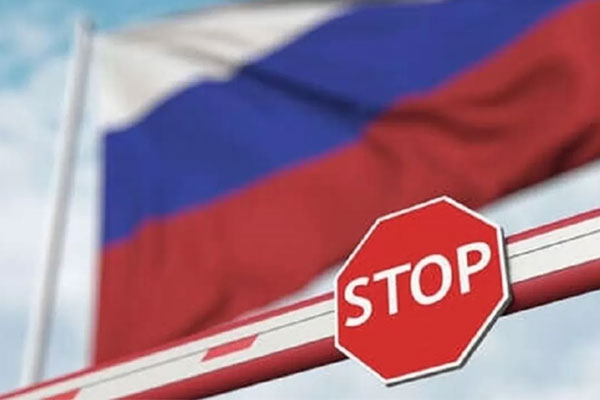
As an important member of the world economy,Russia has huge market potential.However,when registering a company,the US sanctions policy cannot be ignored.This article will provide you with a detailed risk analysis,from direct sanctions to indirect risks,from specific regulations to preventive measures.
I.Direct Sanction Risks
Background of US Sanctions Policy
US sanctions against Russia mainly target specific individuals,enterprises,financial institutions,and specific industries,such as energy,defense,and finance.Sanction measures include asset freezes,trading bans,and export controls.
Direct Sanction Targets
Mainly target entities that have close connections with the Russian government and its affiliated enterprises or individuals.Entities involved in specific sensitive industries,such as energy,military,and technology.
II.Indirect Sanction Risks
Involvement of US - Origin Items
If a company registered in Russia is involved in US - origin items,or contains components from the US that exceed a specific proportion and require a license,there is a risk of being sanctioned.Some foreign products directly produced based on US technology are also within the scope of sanctions.For example,high - tech products,software,semiconductors,etc.
Financial Sanction Risks
After setting up a company in Russia,the difficulty and risk of cross - border fund settlement will increase.US sanctions may affect the inter - bank settlement process,especially the part involving US dollar transactions.Companies that have business dealings with Russian sanctioned banks or financial institutions may encounter indirect sanctions or restrictions on financial transactions.
III.Specific Sanction Regulations
The International Emergency Economic Powers Act (IEEPA)
Authorizes the President to impose economic sanctions on foreign enterprises or individuals in response to national emergencies.
2.Trading with the Enemy Act (TWEA)
It mainly targets trade sanctions against enemy countries and their related enterprises and individuals.
Countering Americas Adversaries Through Sanctions Act (CAATSA)
It includes comprehensive sanctions against Russia,especially targeting the energy,defense,intelligence sectors,and enterprises doing business in these fields.
IV.Risk Prevention Measures
1.Understand and Comply with Relevant Laws and Regulations
Thoroughly understand the US sanctions policies and relevant laws and regulations against Russia to ensure that the companys business operations do not violate these regulations.
2.Supply Chain and Product Compliance Inspection
Ensure that the companys supply chain and products do not contain US - origin items or technologies restricted by US sanctions.Regularly review and update supply chain compliance to ensure compliance with sanctions regulations.
3.Security of Fund Settlement
When conducting cross - border fund settlements,choose banks and financial institutions that are not affected by sanctions for transactions.Try to avoid using the US dollar for international settlements and choose other reliable currencies for transactions.
4.Risk Consultation and Legal Counsel
Hire professional risk consulting companies and legal counsel to provide sanctions risk assessment and compliance advice.Regularly conduct compliance training to ensure that company employees are aware of relevant sanctions regulations and operating procedures.
Registering a company in Russia itself does not directly trigger US sanctions.However,enterprises involved in US - origin items,technologies,or doing business with sanctioned entities may face the risk of indirect sanctions.When expanding international business,enterprises should closely monitor relevant sanctions policies,take necessary compliance measures,and reduce potential legal and financial risks.
Was this helpful? Give us a like!
Contact our experts for compliance audits, precise quotes, and one-stop customs support.
Recent Comments (0) 0
Leave a Reply