
Imported Children's Shoes: Safety Standards & Key Inspections
or complex compliance issues.
clearance and fund security.
Due to childrens sensitive skin and lack of safety awareness,the safety performance of childrens shoes is particularly important.With the increasing number and variety of imported childrens shoe brands,how to purchase qualified imported childrens shoes has become a key concern for many parents.This article explains in detail the classification of childrens shoes,national mandatory standards,and the key points of physical and chemical performance inspections.
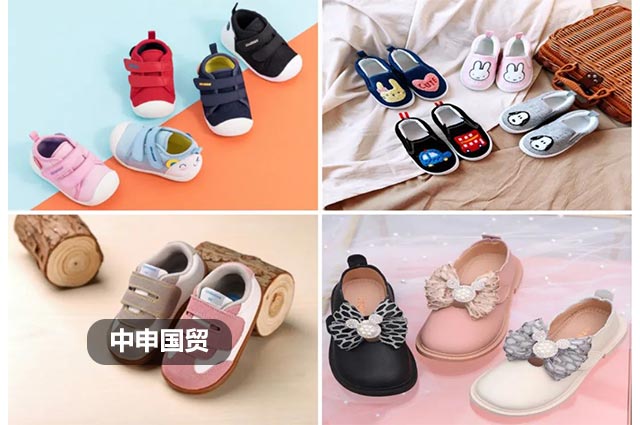
Concept of Childrens Shoes
(1) Infant shoes: Shoe size no larger than 170mm,suitable for infants aged 3 years and below.
(2) Childrens shoes: Shoe size ranging from 170mm to 250mm,suitable for children aged 3 to 14 years.
Main Inspection Standards
GB30585-2014 Safety Technical Specification for Childrens Footwear: Applicable to footwear for daily wear by children aged 14 and below,excluding childrens rubber shoes.
Physical Performance Indicators
(1) Shoe interior and exterior requirements: No exposed nail tips,sharp edges,or sharp points; no broken needles.
(2) Attachment requirements: Attachments on infant shoes should be firmly installed,with a tensile strength of ≥70N.
(3) Heel height requirement: Effective heel height should not exceed 25mm.
Physical property testing
(1) Small accessory risk test: Prevent choking hazards or inhalation of toxic/harmful substances.
(2) Heel height test: Prevent ankle sprains.
(3) Sharp edges and points test: Prevent skin injuries.
(4) Colorfastness test for skin-contact materials: Prevent chemical absorption.
(5) Sole hardness and comfort test: Outsole hardness should be ≥40 (Shore A hardness) to ensure healthy development.
Other Inspection Key Points
(1) Odor requirement: Odor level must be ≤Grade 2.
(2) Chemical performance indicators: Monitor limits for phthalates,formaldehyde,heavy metals,hexavalent chromium,etc.to prevent child health hazards.


Was this helpful? Give us a like!
Contact our experts for compliance audits, precise quotes, and one-stop customs support.
Recent Comments (0) 0
Leave a Reply