
China to Japan Toy Exports: Key Compliance & Logistics
or complex compliance issues.
clearance and fund security.
As the world’s largest toy producer and exporter,China’s toy industry has developed rapidly in recent years.In 2023,the market size exceeded 150 billion yuan,while the trendy toy industry also surpassed 60 billion yuan.Japan,as an important export market for Chinese toys,offers us huge opportunities with its massive demand and mature market system.In the first half of 2024,China’s total toy exports to Japan reached 9.82 billion U.S.dollars,with a year-on-year increase of 5.26%.However,to successfully export toys from China to Japan and achieve market success,there are several key points that need to be noted.

I.Adequate Preparation before Export
Market Research and Understanding of Regulations
Before entering the Japanese market,it is necessary to conduct in - depth research on the consumption habits,popular trends of the Japanese toy market,as well as relevant regulations on safety,environmental protection,and quality.For example,Japans toy safety standards (ST certification) and the Food Sanitation Law are the requirements that toy exports must meet.To ensure that products meet these regulations can they smoothly enter the Japanese market.

Enterprise Qualifications and Certifications
Manufacturing enterprises need to have legal production qualifications,such as business licenses.If toys involve special functions,additional certifications are required.For example,electrical toys need to obtain PSE certification.In addition,exported toys also need to obtain relevant certifications such as quality licenses.
Product Quality Control
Japanese consumers have very high requirements for the quality of toys.Strictly controlling product quality is the key to success.From raw material procurement to the production process,and then to the quality inspection of finished products,enterprises need to establish a complete quality control system to ensure that toys meet Japanese safety standards,such as having no sharp edges and using non - toxic materials.
Preparation of Documents
Prepare all necessary documents,including product manuals,quality inspection reports,production licenses,etc.and translate and notarize them according to Japanese requirements.The accuracy and completeness of these documents are crucial for smooth exports.
II.Commodity Inspection and Customs Clearance Process
Selection of Commodity Inspection Institutions
To export to Japan,it is first necessary to submit an application to a qualified commodity inspection institution.You can choose a professional domestic commodity inspection institution or entrust an agency company to handle it.
Submission of Materials and Testing
Provide relevant materials and product samples to the commodity inspection institution.The commodity inspection institution will conduct tests according to Japanese standards,including aspects such as safety and quality.
Obtaining the Commodity Inspection Certificate
After passing the inspection,the commodity inspection institution will issue an inspection report and a commodity inspection certificate,which is one of the important vouchers for exporting toys to Japan.
III.Export Transportation Arrangement
Selection of Freight Forwarder and Transportation Method
Determine the transportation method according to the quantity,weight,volume of the goods and the delivery date,such as,or land transportation,etc.At the same time,choosing a reliable freight forwarder company can ensure a smoother entire transportation process.
Booking Space and Loading
The freight forwarder company will book space with the shipping company or airline according to the exporters requirements and arrange the transportation of the goods.The exporter needs to deliver the goods to the designated warehouse or port for loading within the specified time and confirm transportation documents such as the bill of lading with the freight forwarder company.
Handlingprocedures
The exporter or the freight forwarder company needs to submit export declarations,commodity inspection certificates,invoices,packing lists and other documents to the Chinese customs.The customs will inspect the goods and release them after confirmation.
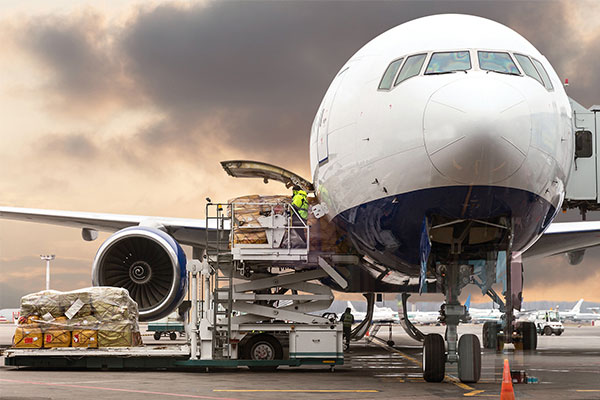
IV.Japan Customs Clearance and Goods Delivery
Submission of Customs Clearance Documents
After the goods arrive in Japan,the importer or its agent needs to submit documents such as commodity inspection certificates,invoices,packing lists,bills of lading to the Japanese customs for customs clearance procedures.
Customs Inspection and Tax Collection
The Japanese customs will inspect the goods and levy corresponding tariffs and consumption taxes according to Japans tariff policy.The importer needs to pay the taxes as required by the customs before the goods can be released.
Goods Delivery
After completing customs clearance,the goods will be delivered to the importer or its designated consignee,and the entire export process ends at this point.
V.Requirements for Market Access in Japan
Japanese Toy Safety Standards
- STMark(SafetyToyMark):TheSTmarkisasafetymarkformulatedbytheJapanToyAssociation,applicabletotoysforchildrenunder14yearsold,ensuringthattheymeetrequirementssuchasphysicalsafety,chemicalsafety,andcontrolofmaterialflammability.
- FoodSanitationLaw:Ifthetoymaycomeintocontactwiththemouth,itneedstomeettherequirementsofJapansFoodSanitationLaw,restrictingthemigrationamountofharmfulchemicalsubstances.
Chemical Substance Management
- JapaneseChemicalSubstanceManagementRegulations:SuchastheChemicalSubstancesControlLaw(CSCL)andthePollutantReleaseandTransferRegisterLaw(PRTRLaw),whichrequirethecontroloftheemissionandmigrationofharmfulsubstances.
- RestrictionsonHarmfulSubstances:Theuseofheavymetalsandplasticizers,forexample,needstocomplywithJapanesestandards.
Labeling and Marking Requirements
- ProductLabels:Japanesemustbeused,andnecessaryinformationsuchasproductname,applicableage,andusagemethodshouldbeprovided.
- ConformityMark:ProductsthathavepassedtheSTcertificationshouldbemarkedwiththeSTmark.
Packaging and Instruction Manual
Ensure that the packaging is sturdy and provide a Japanese - language instruction manual listing detailed usage instructions and safety precautions.
Import Procedures and Documents
The importer needs to provide documents such as commercial invoices,packing lists,books,product test reports,etc.and declare to the Japanese customs,understand and pay tariffs and consumption taxes.
Precautions
- Intellectualpropertyrights:Ensurethattheproductdoesnotinfringeonthetrademarksorcopyrightsofothers.
- Culturaldifferences:Avoidusingsymbolsthatmaybeconsideredinappropriateindesignandcontent,andunderstandJapaneseculturaltaboos.
Conclusion
To successfully export Chinese toys to the Japanese market,it is necessary to comply with Japans strict laws,regulations and standards to ensure that products meet various safety,quality and consumer protection requirements.In addition to fully understanding market demands and legal requirements,choosing reliable partners is equally crucial.It is hoped that through this article,you can better understand the entire export process and enable Chinese - made toys to achieve greater success in the Japanese market.
Was this helpful? Give us a like!
Contact our experts for compliance audits, precise quotes, and one-stop customs support.
Recent Comments (0) 0
Leave a Reply