
Russia Export Bans: Poultry, Wheat, Precious Metals
or complex compliance issues.
clearance and fund security.
Russia implements key export bans on poultry,durum wheat,and scrap precious metals from Dec 2023 to Apr 2024.Understand the market impact.
First,according to news from TASS and the Russian legal portal,the Russian Ministry of Agriculture put forward an important proposal to ban the export of eggs from December 2023,which is expected to last for six months.This decision may be based on considerations of protecting the domestic market and meeting the needs of domestic consumers.Eggs,as a daily consumer product,play an important role in the diet of Russian people.The export ban may be to ensure the stability and affordability of domestic supply.
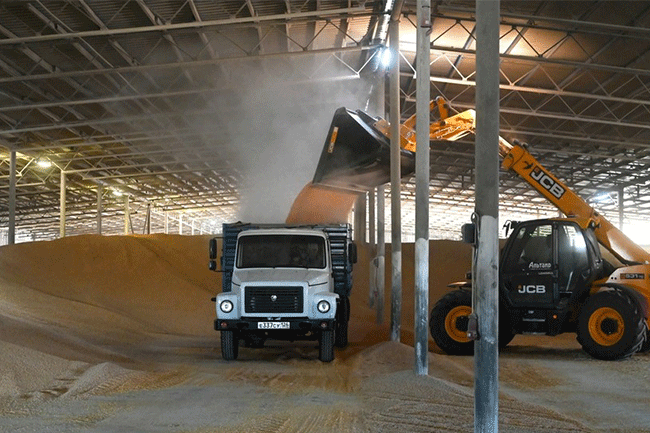
Secondly,the Russian Ministry of Agriculture also proposed another initiative,which is to temporarily ban the export of durum wheat from December 1,2023 to May 31,2024.Durum wheat is the main raw material for making pasta,and this move may be a response to the sharp increase in foreign supply this season.Since durum wheat plays an important role in the global food supply chain,this ban may have an impact on the international food market,especially in terms of the prices and supply of flour and other pasta products.
Finally,the Russian government also issued a notice banning the export of scrap precious metals.This ban will take effect from November 1,2023 and last until April 30,2024.The notice explicitly states that it will prohibit the export from Russia of scrap metals coated with precious metals,other scrap materials and debris containing precious metals or precious metal compounds,as well as scrap materials and debris from electrical and electronic products used for extracting precious metals.Given that precious metals are important industrial raw materials,especially in electronics manufacturing and other high-tech industries,this ban may have an impact on the global precious metals supply chain.
Overall,these export bans reflect the Russian governments strategy to protect domestic resources and the economy against the backdrop of global trade turmoil and tense international relations.These measures may aim to ensure the stability of the domestic market and the living needs of the Russian people,and may also be a response to changes in the international market and external challenges.The impact of these bans on the international trade market is worthy of attention,especially in terms of the price and supply stability of related products.
Was this helpful? Give us a like!
Contact our experts for compliance audits, precise quotes, and one-stop customs support.
Recent Comments (0) 0
Leave a Reply