
South Korea plans to reduce tariffs on 76 types of goods in 2024.
or complex compliance issues.
clearance and fund security.
The South Korean Ministry of Strategy and Finance recently issued a legislative announcement for the "2024 Regular Flexible Tariff Plan",announcing that tariffs on 76 types of goods will be lowered next year to enhance industrial competitiveness and reduce the burden of high prices.After going through the relevant procedures,the plan is expected to be implemented starting from January 1,2024.
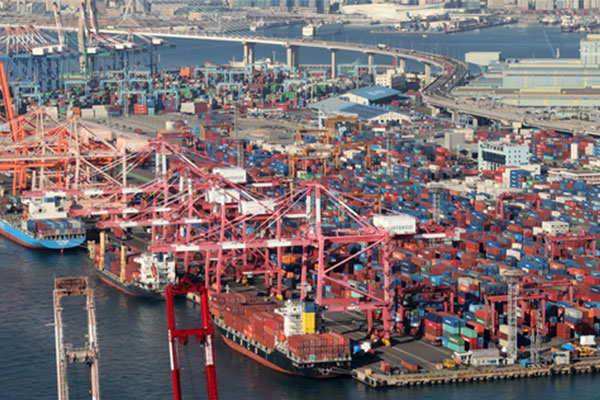
The flexible tariff system is a measure adopted by South Korea to protect domestic industries and stabilize prices,allowing flexible adjustments to tariff rates within the legal framework.This system helps South Korea quickly adapt to changes in international markets and fluctuations in domestic demand.
In terms of enhancing industrial competitiveness,the tariff adjustments mainly involve key industrial raw materials such as quartz glass substrates,lithium nickel cobalt manganese oxide,aluminum alloys,nickel ingots,and disperse dyes,as well as feed corn.These materials and commodities are crucial for South Koreas advanced manufacturing and agricultural sectors.
To stabilize prices,South Korea plans to implement quota tariffs on food-grade modified potato starch,sugar,peanuts,chicken,egg products,as well as LNG,LPG,and crude oil,to alleviate price pressures in the domestic market.
Additionally,an adjusted tariff system will apply to 13 commodities.When imports of these specific items increase and may disrupt the domestic market or cause the collapse of industrial foundations,the basic tariff rate can be raised to 100%.This measure aims to protect the domestic market from excessive import impacts.
At the same time,South Korea also plans to increase the scale of special emergency tariffs applicable to agricultural,forestry,and livestock products.For example,the applicable scale of special emergency tariffs for grain products will be significantly raised from 464,422 tons to 654,995 tons to ensure the stability of domestic food supply.
Was this helpful? Give us a like!
Contact our experts for compliance audits, precise quotes, and one-stop customs support.
Recent Comments (0) 0
Leave a Reply