
Russia Halts Forex Buys: Ruble Impact & Economic Outlook
or complex compliance issues.
clearance and fund security.
Recently,the Russian Central Bank announced on November 27 that it would suspend the purchase of foreign exchange in the domestic market from November 28 to the end of 2024.This move immediately attracted the attention of the international financial market and had a direct impact on the exchange rate of the ruble.
On the same day,the performance of the Russian ruble in the international foreign exchange market attracted widespread attention.The exchange rate of the ruble against the U.S.dollar once fell below 110 to 1,and the exchange rate against the euro also fell below 115 to 1,both reaching the lowest levels since March 2022.According to data from Securities China,since last Thursday,the cumulative decline of the ruble against the U.S.dollar has exceeded 12%,and the decline against the euro has exceeded 13%.This significant depreciation has raised concerns about the economic and financial stability of Russia.
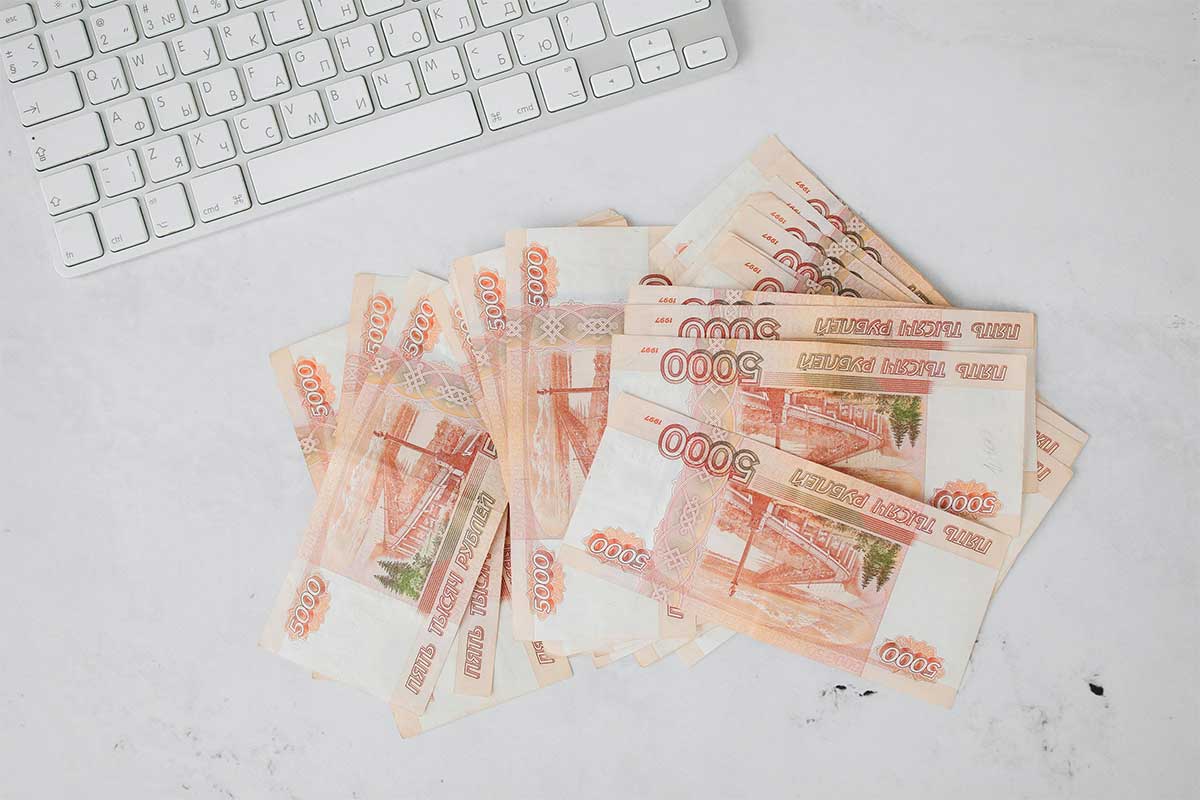
After the Russian Central Bank announced a suspension of foreign exchange purchases,the ruble’s exchange rate began to recover.This measure was seen as an emergency action taken by the central bank to stabilize the ruble’s exchange rate and reduce financial market volatility.In its statement,the central bank said the decision to suspend foreign exchange purchases would continue until the end of 2024,and the postponed foreign exchange purchase plan would be implemented in 2025.The central bank also mentioned that it would decide whether to resume foreign exchange purchases in early 2025 based on the economic situation at that time.In addition,the central bank will continue to conduct foreign exchange sales operations linked to the National Welfare Fund in the domestic market.
There are multiple factors behind the depreciation of the ruble.Many analysts believe that apart from the new round of tensions between Russia and the West triggered by Russias military operations in Ukraine and new financial sanctions,there are no other obvious reasons for the decline of the ruble.Last week,the U.S.Treasury Department announced sanctions against Gazprombank,more than 50 Russian small and medium - sized banks,more than 40 Russian securities institutions and 15 Russian financial officials.Previously,Gazprombank was the last major Russian financial institution not subject to sanctions.
These sanctions have made most major Russian banks now subject to sanctions by Western countries,unable to transfer funds to other banks in U.S.dollars.The only remaining option is to import a large amount of U.S.dollar cash.This situation has exacerbated the decline of the ruble.The sanctions have disrupted the payment process for transactions,especially for oil and gas payments,leading to a shortage of foreign exchange in the Russian market.The payment process for trade,especially for oil and gas,has led to a shortage of foreign exchange in the Russian market.
Since the Russia - Ukraine conflict,the Russian economy has been hit by Western sanctions.Last year,Russias energy revenue declined by nearly a quarter,partly due to Western trade restrictions,including a price cap of $60 per barrel on Russian oil.These sanctions have had a significant impact on Russias export revenue and further weakened the value of the ruble.
The decline of the ruble has also exacerbated the volatility of the Russian stock market.As investors shift their savings from stocks to deposits,the Russian stock market has fallen by more than 20% since the beginning of this year.The benchmark interest rate set by the Central Bank of Russia is higher than 20%,which means that the deposit yield is also higher than 20%,increasing the attractiveness of ruble savings.However,high interest rates may also have a restraining effect on economic growth.
Anton Siluanov,the Russian Minister of Finance,pointed out that the weak ruble is beneficial to export - oriented enterprises because it makes their products more competitive in the international market.However,the depreciation of the ruble will also lead to an increase in the cost of imported goods and push up the domestic inflation rate.Currently,Russias consumer inflation rate is close to 9%,and the inflation expectation reached 13.4% in October,higher than 12.5% in the previous month.
According to the estimate of the Central Bank of Russia,a 10% depreciation of the ruble will increase the inflation rate by 0.5 percentage points.This means that the depreciation of the ruble in the past four months may increase the current inflation rate by 1.5 percentage points.In order to cope with inflationary pressure,the Central Bank of Russia has raised interest rates several times since the beginning of this year,raising the benchmark interest rate from 16% to a record high of 21%.The market expects that the Central Bank of Russia may raise interest rates again at its December meeting.
The sanctions on the Russian financial industry and the depreciation of the ruble form a mutually - influencing cycle.On the one hand,sanctions lead to a shortage of foreign exchange and depress the value of the ruble; on the other hand,the depreciation of the ruble exacerbates inflationary pressure,forcing the central bank to adopt more stringent monetary policies.This situation has brought more uncertainties to Russias economic prospects.
Overall,the decision of the Central Bank of Russia to suspend the purchase of foreign exchange in the domestic market is to stabilize the exchange rate of the ruble and reduce the volatility of the financial market.However,whether this measure can effectively ease the depreciation pressure of the ruble remains to be seen.The international community will continue to pay attention to Russias economic and financial trends,especially against the backdrop of the continuation of sanctions and geopolitical tensions.
Was this helpful? Give us a like!
Contact our experts for compliance audits, precise quotes, and one-stop customs support.
Recent Comments (0) 0
Leave a Reply