
EU Methane Regulations: New Rules for Global Energy Trade
or complex compliance issues.
clearance and fund security.
On May 27,the EUs methane emission restrictions officially became law,aiming to require international energy suppliers to reduce emissions and leaks of this gas.
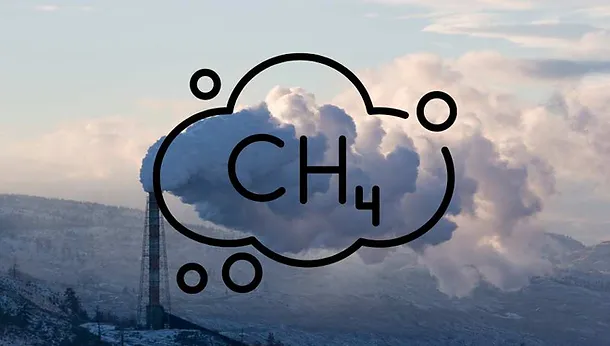
Natural gas,as an efficient fuel,is commonly used for power generation and residential heating,with methane being its primary component.On the other hand,methane is a potent greenhouse gas,second only to carbon dioxide.According to the UN,methane has contributed to about 30% of global warming since pre-industrial times.
This means that if methane leaks from oil and gas pipelines or infrastructure into the atmosphere,it will exacerbate global warming.In response,the EUs new regulations impose fresh requirements on measuring,reporting,and verifying methane emissions in the energy sector.
Reports indicate that the new regulations require Europes natural gas,oil,and coal industries to measure,monitor,report,and verify their methane emissions according to the highest monitoring standards and take action to reduce emissions.
The regulations also mandate EU fossil fuel operators to halt avoidable routine flaring and reduce flaring and emissions during emergencies,technical failures,or safety-related situations.
Additionally,since a significant portion of Europes fossil energy is imported,the regulations will gradually introduce stricter requirements to ensure foreign exporters progressively comply with the same monitoring,reporting,and verification obligations as EU operators.
In addition,the new regulations also require the establishment of a "Global Methane Emissions Monitoring Tool," which will provide information on the scale,occurrence,and location of high methane emission sources within or outside the EU based on satellite data.
The European Commission will also establish a rapid alert mechanism for "super-emission" incidents (i.e.events involving extremely high methane emission rates from facilities,equipment,or infrastructure) to take action to stop or prevent such incidents.
In terms of specific requirements,starting from 2025,importers in the European Union must report annual methane emission data,including data from countries and companies exporting to the European Union.The information must include whether and how they measure,report,and reduce methane emissions.
From January 2027,new oil,gas,and coal import contracts can only be signed if energy exporters comply with the same monitoring,reporting,and verification obligations as EU producers.
Starting from 2030,the "methane intensity" of oil,gas,and coal produced for import into the EU market must be below an upper limit,which will be set by the European Commission in subsequent secondary legislation.
The regulations require EU member state authorities to set effective,proportionate,and dissuasive penalty levels.Energy that fails to meet regulatory requirements can still enter the EU market but will face corresponding penalties,such as periodic fines.
According to last years data from the International Energy Agency (IEA),methane emissions from EU-imported crude oil and natural gas totaled 11 million tons,accounting for 13.4% of global oil and gas industry methane emissions.The EUs methane emission standards for imported energy will significantly impact global methane control efforts and oil and gas trade.
Media analysis suggests that the new import regulations may affect major EU gas suppliers like the U.S.Algeria,and Russia.Reports indicate that Hungary voted against the measure,having repeatedly stated its intention to purchase more gas from Russia.
At the 2021 UN Climate Conference,over 100 countries pledged to reduce methane emissions by 30% from 2020 levels by 2030.Last year,the U.S.announced regulations at COP28 aimed at cutting methane emissions from its oil and gas industry.
Was this helpful? Give us a like!
Contact our experts for compliance audits, precise quotes, and one-stop customs support.
Recent Comments (0) 0
Leave a Reply